
Many people first hear the word “diverticula” after a colonoscopy or after an episode of lower abdominal pain. It can sound frightening, especially when the pain is sharp, fixed, and located in the lower left abdomen.
Diverticulosis means small pouches have formed in the wall of the colon. Diverticulitis means those pouches have become inflamed or infected.
Diverticulosis can be silent for years. Diverticulitis is different. It may cause significant pain, tenderness, fever, nausea, vomiting, chills, constipation, or changes in bowel habits.
This condition deserves a practical conversation. Acute diverticulitis needs proper medical attention. But long-term digestive health, bowel regularity, inflammation control, and diet are also very important.
The colon does not become irritated in isolation. It often reflects years of pressure, stagnation, constipation, low fibre intake, aging tissue, stress, and digestive weakness.
Diverticula are small outward bulges in the colon wall. They are very common with age, especially after age 50.
Western medicine usually explains diverticular disease through a combination of age-related colon wall changes, increased pressure inside the colon, constipation, low-fibre diet, inflammation, microbiome changes, and lifestyle factors.
Treatment depends on severity. For diverticulosis, the focus is usually prevention: improving bowel habits, increasing fibre gradually, hydration, exercise, and avoiding constipation.
For diverticulitis, treatment may include rest, dietary modification, pain control, and sometimes antibiotics. In some mild uncomplicated cases, antibiotics are not always used automatically and may be prescribed selectively depending on the patient’s condition.
Severe or complicated diverticulitis needs medical care quickly.
Please seek medical assessment if you have strong or worsening abdominal pain, fever, chills, vomiting, blood in the stool, inability to pass stool or gas, dizziness, or severe tenderness.
Diverticulitis can sometimes lead to abscess, perforation, obstruction, bleeding, or infection spreading into the abdomen.
Chinese medicine may be supportive, but acute severe diverticulitis is not a condition to “wait out” at home.
Chinese medicine looks at the symptoms and the whole person, not only the diagnosis.
Lower abdominal pain, abdominal distention, and constipation are often understood through the idea that when there is pain, there is lack of free flow.
In simple language, pain often means something is blocked, stuck, inflamed, constricted, or not moving properly.
When pain is fixed in one location, Chinese medicine often considers blood stasis. This does not mean only a blood problem in the Western sense. It means circulation and movement in the tissue may be impaired.
In diverticular disease, especially when symptoms are chronic or recurring, I often think about three main patterns: weak digestion, stagnation, and poor circulation.
Weak digestion may show as fatigue, bloating, low appetite, loose stools, heaviness, or difficulty digesting fibre.
Stagnation may show as gas, pressure, cramping, constipation, distention, and pain that worsens when the bowels are not moving.
Blood stasis may show as deeper, fixed, localized pain.
In older patients, there may also be dryness, yin deficiency, yang deficiency, or general depletion. This is why one person may need cooling and clearing, another may need moistening, another may need warming, and another may need strengthening.
This is also why Chinese medicine should be individualized.
Constipation is not harmless when diverticular disease is present. Straining increases pressure inside the colon. Over time, this pressure may irritate weak areas of the colon wall.
From a Western perspective, this is why fibre, hydration, and regular bowel habits are so important.
From a Chinese medicine perspective, constipation can come from dryness, qi stagnation, heat, blood deficiency, yin deficiency, yang deficiency, or weakness in the bowel’s movement.
That means the solution is not always “take more fibre.” For some people, fibre helps beautifully. For others, especially when digestion is weak, too much raw fibre creates more bloating, gas, and pain.
The goal is not only to add fibre. The goal is to help the bowel move smoothly and comfortably.
Diet is one of the most important parts of long-term care.
Many people are told to eat a high-fibre diet, and this can be helpful after recovery. Fibre supports bowel regularity, helps soften stool, and may reduce pressure in the colon.
But from a Chinese medicine perspective, high fibre should not mean hard-to-digest foods.
This is very important.
Many patients hear “eat more fibre” and begin eating large raw salads, bran, nuts, seeds, cold smoothies, and raw vegetables. For some people this works. For others, especially those with weak digestion, it creates more bloating and discomfort.
A gentler approach is often better: cooked vegetables, soups, stews, oats, soft lentils if tolerated, well-cooked beans introduced slowly, ground flax if tolerated, chia soaked well if tolerated, and warm meals.
Cooked fibre is often easier for the digestive system than raw fibre.
If the abdomen is painful, bloated, and sensitive, I usually prefer warm, simple, cooked food over cold raw meals.
For many years, people with diverticular disease were told to avoid nuts, seeds, corn, and popcorn. More recent research has questioned this advice, and many medical guidelines no longer recommend strict avoidance for everyone.
However, this does not mean every person tolerates these foods well.
Some patients can eat nuts and seeds without any issue. Others notice they worsen bloating, pain, or irritation. The practical answer is individualized.
Do not fear all seeds forever, but also do not force foods your body clearly struggles to digest. Chewing well, soaking seeds, using ground forms, and avoiding large amounts during sensitive periods may help.
During an acute flare, follow medical advice and keep the diet simple.
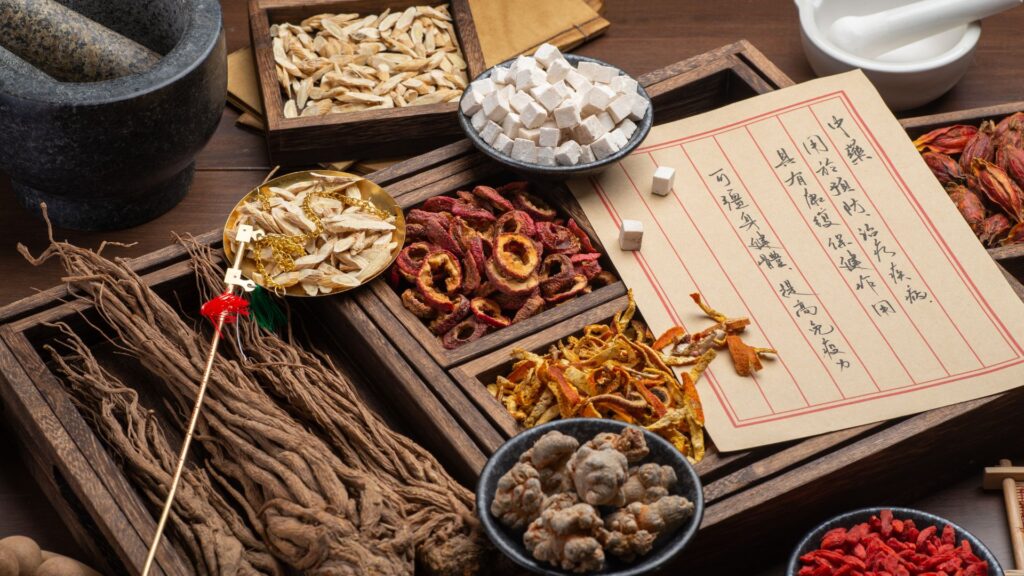
Chinese herbal medicine is selected according to the pattern.
When the main picture is weakness with dryness and constipation, treatment may focus on strengthening digestion, nourishing fluids, moistening the intestines, moving qi, and supporting bowel movement.
When there is more heat, inflammation, burning pain, dark stools, or signs of infection, the strategy changes. Treatment may focus more on clearing heat, reducing dampness, moving stagnation, and supporting the body’s ability to recover.
When pain is fixed and chronic, herbs that support circulation and relieve stagnation may be considered.
This is why I do not recommend self-prescribing herbs for diverticulitis. The same diagnosis may require different treatment depending on whether the person is weak, hot, cold, dry, constipated, depleted, inflamed, or actively infected.
Acupuncture may be used to support digestion, regulate bowel movement, reduce abdominal tension, calm the nervous system, and help with pain patterns.
In clinic, treatment is not only about the abdomen. I also look at stress, sleep, hydration, bowel rhythm, fatigue, and how the person eats.
The digestive system responds strongly to the nervous system. When the body is stuck in stress mode, the bowel often becomes more reactive.
For chronic digestive conditions, calming the nervous system can be just as important as changing food.
After an acute episode has resolved, prevention becomes the focus.
Regular meals matter. Hydration matters. Walking matters. Bowel routine matters. Sleep matters. Stress management matters.
Increase fibre gradually, not aggressively. Choose cooked, gentle fibre if your digestion is weak. Avoid chronic constipation. Reduce highly processed foods and excessive refined carbohydrates. Notice if alcohol, greasy foods, or very spicy foods trigger symptoms.
Do not wait until the bowel is in crisis to care for it.
Diverticulosis is common. Diverticulitis can be painful and sometimes serious. But between doing nothing and waiting for the next flare, there is a lot we can do.
Western medicine helps identify severity, rule out complications, guide acute treatment, and manage emergencies.
Chinese medicine adds a whole-person view: why is the bowel under pressure, why is digestion weak, why is pain fixed, why is inflammation recurring, and how can we support better flow?
For many people, the answer is not one magic treatment. It is a thoughtful combination of medical care, bowel regularity, cooked fibre, hydration, movement, stress reduction, acupuncture, and individualized herbal support when appropriate.
Your colon does not need punishment.
It needs rhythm, nourishment, movement, and care.
Interested in Chinese herbal medicine as part of your recovery?
Learn more about how personalized herbal formulas are prescribed and dispensed at Victoria Healing Space.