
Osteoarthritis is one of the most common reasons people begin to feel limited in their body. It may start quietly: a knee that feels stiff in the morning, fingers that ache after gardening, a hip that hurts after sitting too long, or a neck that no longer turns as freely as before. Over time, many people notice that activities they once did easily become uncomfortable.
I often hear patients say, “I thought it was just aging.” While age can be one factor, osteoarthritis is more complex than simple wear and tear. It involves gradual changes inside the joint, including cartilage thinning, irritation of surrounding tissues, stiffness, reduced shock absorption, and changes in how the muscles support movement.
As a Registered Traditional Chinese Medicine Practitioner (RTCMP) in Victoria, BC, I work with many people who want to stay active, reduce pain, and care for their joints in a natural and practical way. Acupuncture and Chinese medicine can be valuable tools as part of a broader plan for osteoarthritis support.
Osteoarthritis, often called OA, is the most common type of arthritis. It frequently affects the knees, hips, hands, spine, neck, and sometimes shoulders or feet. Some people notice mild stiffness for years. Others experience flare-ups, swelling, reduced mobility, or pain that begins to interfere with walking, sleep, exercise, or work.
Modern research now recognizes that osteoarthritis is not simply mechanical damage. It often includes low-grade inflammation, changes in bone under the cartilage, altered movement patterns, and muscle weakness around the joint. This is one reason two people with the same X-ray findings may feel very differently.
There is rarely one single cause. In many cases it develops gradually through a combination of factors. Previous injuries are common contributors. A knee injury from years ago, an old ankle sprain, repetitive kneeling, heavy physical work, or sports strain may affect the joint long after the original event has healed.
Body mechanics also matter. If muscles around the hips, core, knees, or shoulders become weak or imbalanced, the joint may absorb more stress than it was designed to handle. Genetics can also play a role, and some people simply have a stronger family tendency toward arthritis.
Weight may increase load on hips, knees, and feet, but inflammation, inactivity, poor sleep, and chronic stress can also influence symptoms.
Many people with osteoarthritis feel stiff when they first wake up or after sitting. Movement often helps at first, but too much activity may later trigger aching. Some notice grinding, clicking, or cracking sensations. Others feel swelling, tightness, weakness, or instability in the joint.
Cold or damp weather often makes symptoms more noticeable. Many patients in Victoria mention that rainy periods can increase discomfort.
One of the most common reasons patients try acupuncture is because they want options beyond pain medication alone. They may want to move better, sleep better, and reduce flare-ups without relying only on pills.
Acupuncture may help by reducing pain sensitivity, improving local circulation, relaxing overworked muscles, and helping regulate the nervous system. When a joint is painful, nearby muscles often tighten to protect the area. Unfortunately, that guarding can create even more pain and restriction. Gentle treatment may help interrupt that cycle.
Research on osteoarthritis—especially knee osteoarthritis—suggests acupuncture may improve pain and function for some patients. Clinical guidelines from the American College of Rheumatology include acupuncture as a conditional option for selected people with osteoarthritis when appropriate.
Systematic reviews have found that acupuncture may provide meaningful benefit for some patients with chronic osteoarthritis pain, particularly when combined with exercise and broader care strategies.
In practice, I often find that the joint itself is only part of the picture. Many people with osteoarthritis also have tight surrounding muscles, reduced circulation, poor sleep, old injury patterns, digestive inflammation, stress load, or fear of movement because pain has become discouraging.
When these layers are addressed together, progress is often better than focusing only on the joint surface.
Traditional Chinese Medicine has long described joint pain patterns that resemble osteoarthritis. In this system, pain may come from obstruction in the channels combined with weakness of the body’s ability to nourish and repair tissues over time.
Some people present with a cold-damp pattern, where joints feel stiff, heavy, and worse in wet weather. Others show more heat or inflammation, with swelling and irritation. Some patients appear depleted and weak, recovering slowly after activity. Others carry old trauma patterns from past injuries.
This is why individualized treatment matters. Two people with “knee arthritis” may need completely different approaches.
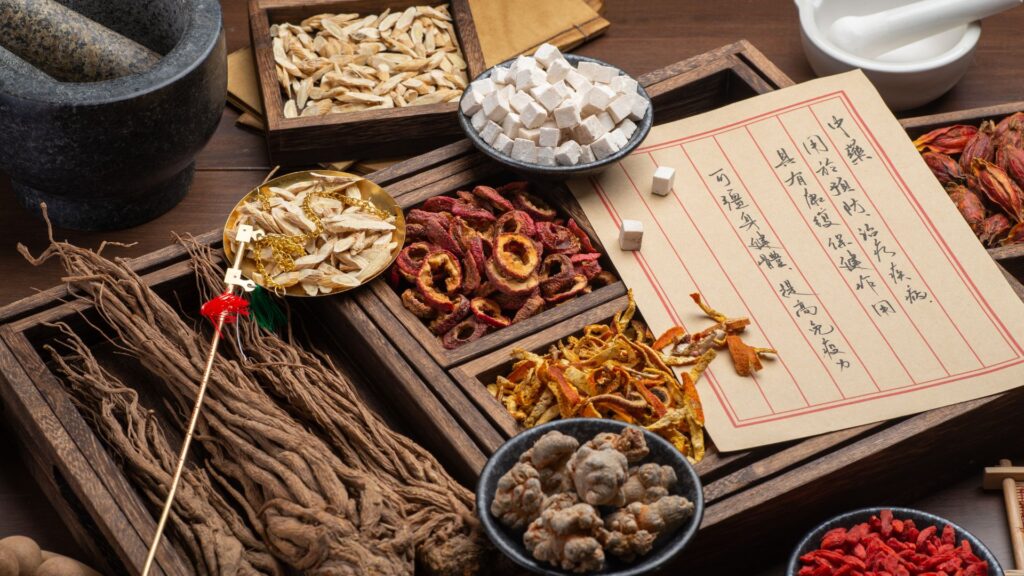
As an RTCMP, I may also recommend Chinese herbal medicine when appropriate. Herbal formulas are never one-size-fits-all. They are selected based on the person in front of me, their digestion, sleep, constitution, medications, circulation, and the type of pain they experience.
In some cases, herbs may be chosen to warm cold painful joints, improve circulation, reduce stiffness, calm inflammatory tendencies, or support recovery and vitality. Safety is always important, especially if a patient takes prescription medications or has medical conditions.
Interested in Chinese herbal medicine as part of your recovery?
Learn more about how personalized herbal formulas are prescribed and dispensed at Victoria Healing Space.
The first visit is not just about where it hurts. I want to understand how the pain affects your life. We talk about when symptoms started, what aggravates them, sleep quality, energy levels, digestion, past injuries, movement habits, and what goals matter most to you.
For one person the goal may be walking without knee pain. For another it may be gardening again, sleeping through the night, hiking, or being able to open jars without hand pain.
Treatment may include acupuncture, lifestyle guidance, movement suggestions, food therapy support, and herbal medicine when appropriate.
One of the most important truths about osteoarthritis is that complete rest often makes joints worse. Joints are designed to move. Gentle regular movement helps nourish cartilage, strengthen muscles, improve circulation, and maintain confidence in the body.
This does not mean pushing through severe pain. It means finding the right level of movement for your current stage.
Walking, swimming, mobility exercises, strength training, tai chi, and targeted physiotherapy can all be valuable.
Many patients notice that highly processed foods, excess sugar, alcohol excess, or weight gain worsen symptoms. While food does not “cure arthritis,” an anti-inflammatory style of eating may reduce symptom burden for some people.
This often means emphasizing vegetables, protein, healthy fats, legumes, berries, fish, whole foods, and minimizing heavily processed foods.
Any sudden swollen hot joint, unexplained severe pain, inability to bear weight, fever, rapidly worsening symptoms, or significant night pain should be medically assessed.
Acupuncture works best as part of responsible integrative care.
If you are dealing with knee pain, hip arthritis, hand stiffness, neck degeneration, back arthritis, or chronic joint discomfort, I would be happy to discuss whether acupuncture and Chinese medicine may help.
My goal is simple: to help you move better, feel better, and stay active as long as possible.