
Post-concussion syndrome (PCS) is a complex condition that may develop after a mild traumatic brain injury. Even when no structural damage is visible on imaging, patients may experience persistent symptoms that significantly affect daily life.
If you are searching for post-concussion support in Victoria, BC, acupuncture and Chinese medicine offer a whole-body approach that may help support recovery over time.
Post-concussion syndrome refers to a collection of symptoms that may persist weeks or months after a head injury.
Common symptoms include:
In some cases, these symptoms may feel more disruptive than the initial injury itself.
From a Western perspective, the exact mechanism is not always clearly defined. Research suggests that PCS may involve functional changes in the brain, including altered neural signaling, inflammation, and dysregulation of the autonomic nervous system.
It is also observed that individuals with higher baseline stress sensitivity or emotional load may experience more persistent symptoms.
Treatment in conventional medicine may include rest, gradual return to activity, medications, and psychological support, though responses vary from person to person.
Chinese Medicine offers a different framework for understanding post-concussion syndrome.
Rather than focusing only on the brain, it examines how trauma affects the entire system, including circulation, energy (Qi), and organ function.
According to classical theory, external trauma to the head may disrupt the channels and vessels, leading to blood stasis in the local area.
When circulation is impaired:
-blood does not move freely
-clear signals to the brain may be disrupted
-symptoms such as headache, dizziness, and mental fog may arise
Because Qi and blood move together, this stagnation may also affect the flow of Qi, contributing to:
Over time, additional patterns may develop.
If tension persists, it may lead to upward activity in the system, which can manifest as dizziness, agitation, or pressure in the head.
If digestion becomes affected, the body may not produce enough energy and nourishment, leading to fatigue, difficulty concentrating, and reduced resilience.
In some cases, deeper systems may be involved, contributing to symptoms such as tinnitus, memory changes, or persistent cognitive fog.
It is important to note that these patterns are not exhaustive, but help illustrate how diagnosis is made and what signs practitioners assess.
Post-concussion syndrome is rarely a single issue.
In clinical practice, it often involves a combination of:
This is why recovery can vary significantly between individuals.
Acupuncture may offer supportive care for post-concussion symptoms by working through multiple physiological pathways.
Research indexed in PubMed suggests acupuncture may:
Some clinical studies have explored acupuncture in mild traumatic brain injury and post-concussion symptoms, suggesting potential improvements in headache, sleep, and cognitive function.
While more research is needed, these findings support acupuncture as part of an integrative care approach.
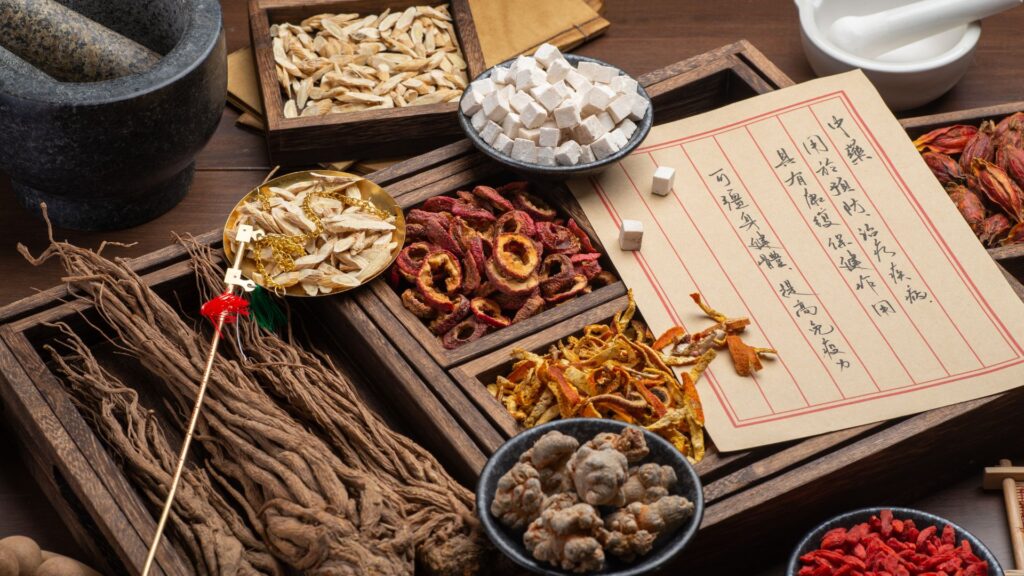
Chinese herbal medicine may be recommended too.
Herbal formulas are individualized and may aim to:
This approach focuses on addressing the underlying patterns contributing to symptoms rather than only managing individual complaints.
Recovery from post-concussion syndrome often requires a comprehensive approach.
In addition to treatment, important factors include:
Acupuncture and Chinese medicine align with this approach by supporting both physical and emotional aspects of recovery.
Acupuncture and Chinese medicine are complementary therapies and do not replace medical diagnosis or treatment.
If you experience worsening neurological symptoms, severe headache, or changes in consciousness, please seek immediate medical care.