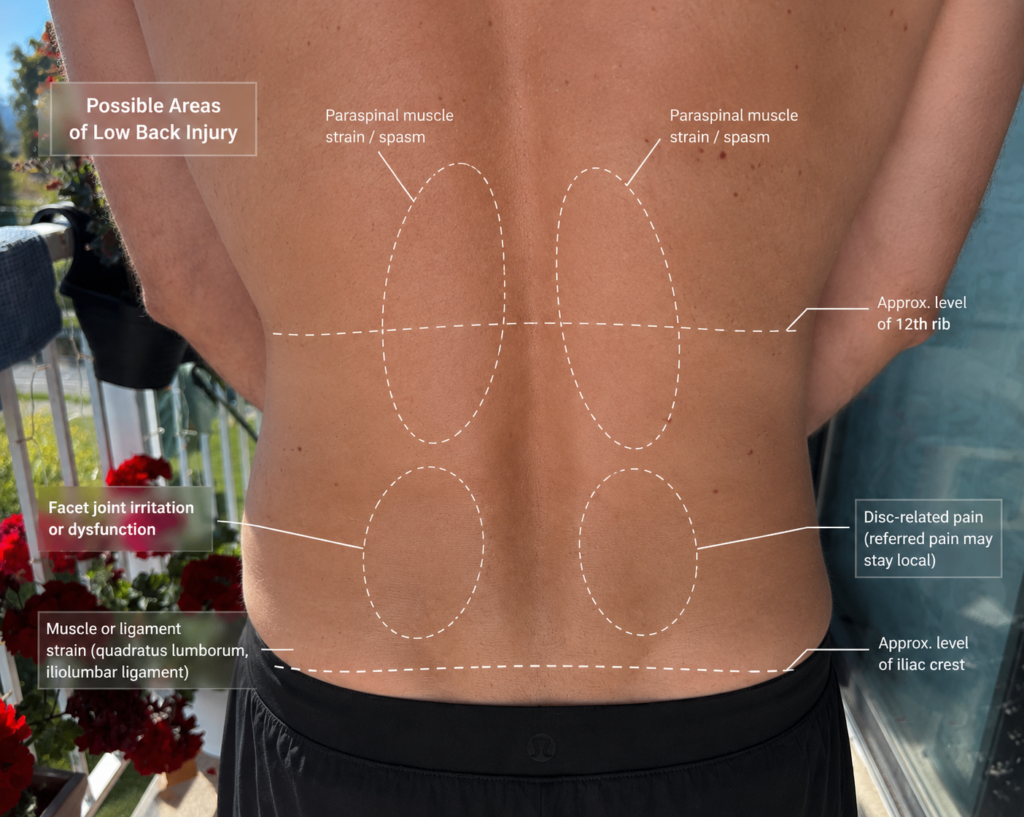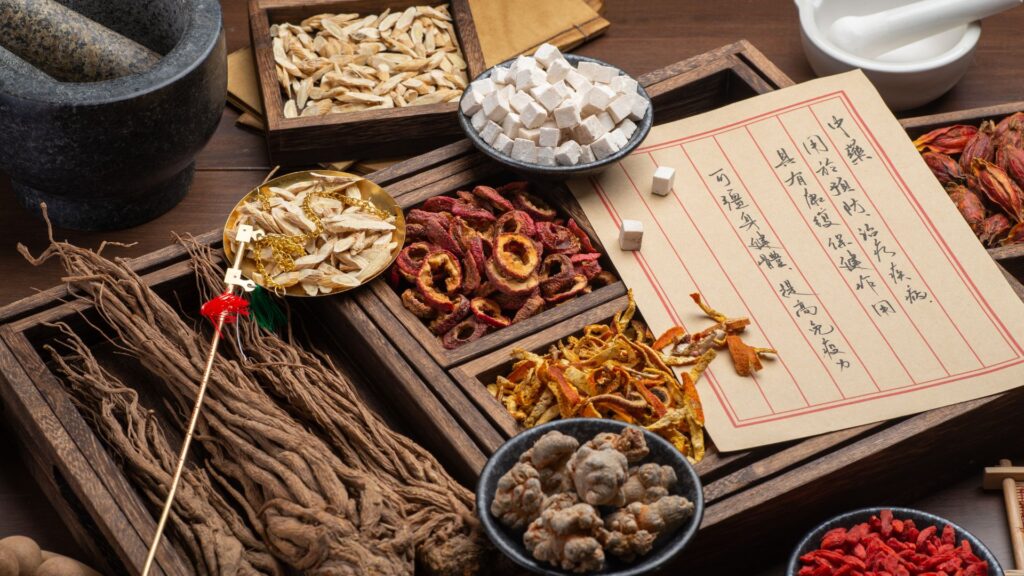

If you are struggling with a persistent, painful pattern in your lower body, you are not alone. In our community, sciatica is one of the most common and debilitating conditions that drives people to seek holistic care.
That deep, gnawing ache in the gluteal muscle that suddenly morphs into an electric shock traveling down the thigh, past the knee, and into the foot isn’t just uncomfortable; it can completely derail your daily life, making simple movements like sitting at a desk or driving down the Malahat feel impossible.
My name is Olya Dzidzverg, and I am a Registered Acupuncturist (R.Ac) and Traditional Chinese Medicine Practitioner (R.TCMP) in Victoria, BC. At Victoria Healing Space, I consult with people who are searching for a sustainable, drug-free solution to this agonizing condition.
In this comprehensive guide on acupuncture for sciatica in Victoria BC, we will break down exactly what sciatica is, how Traditional Chinese Medicine (TCM) can address its root causes, and look directly at the clinical research supporting these treatments.
To effectively treat sciatica, we must first look at the anatomy. Sciatica is not actually a standalone medical diagnosis; it is a clinical term used to describe a set of neurological symptoms caused by the compression or irritation of the sciatic nerve.
The sciatic nerve is the largest and thickest single nerve in the human body. It originates in the lumbar spine (lower back), runs deeply through the muscle layers of the hips and buttocks, and branches downward through the back of each leg.
When this nerve pathway is compromised, you may experience:
Sharp, shooting pain that radiates from the lower back or glute down the leg.
Burning, tingling, or “pins and needles” sensations (paresthesia).
Numbness or localized muscle weakness in the calf, ankle, or foot.
Increased discomfort when sitting for extended periods, coughing, or bending over.
Herniated or Bulging Discs: The soft inner core of an intervertebral disc leaks out or bulges, placing direct mechanical pressure on the nerve root.
Piriformis Syndrome: The piriformis muscle, located deep within the buttock, becomes hypertonic or spasms, trapping the sciatic nerve beneath it.
Spinal Stenosis: A degenerative narrowing of the spinal canal that compresses the spinal cord and nerve roots.
While Western medicine focuses on mechanical compression, Traditional Chinese Medicine views sciatica through the lens of energetic circulation. In TCM, health is defined by the smooth, unimpeded flow of vital energy (Qi) and fluids (Blood) through a network of pathways called meridians.
A foundational maxim of Chinese Medicine states:
“Tong ze bu tong, tong ze bu tong.” (Where there is free flow, there is no pain; where there is pain, there is an obstruction.)
Sciatica generally falls under the classification of Bi Syndrome (Painful Obstruction Syndrome) or Yao Tui Tong (Lumbar and Leg Pain). Clinically, we categorize sciatic pain into three primary diagnostic patterns:
Typically triggered by acute physical trauma, improper lifting, or repetitive strain. The energy and blood supply to the lumbar and gluteal tissues stall out, creating localized, sharp, stabbing pain that stays in a fixed position.
This pattern explains why many sciatica sufferers feel worse during cold, damp, or rainy coastal weather. External pathogens seep into the vulnerable meridians of the lower body. Cold causes the surrounding soft tissues and blood vessels to contract sharply, while Dampness introduces a heavy, lingering, dull ache.
In TCM, the Kidney system is responsible for the structural integrity of the bones, the lower back, and the knees. Chronic stress, overwork, or constitutional depletion can weaken Kidney Qi. This leads to a chronic, low-grade sciatica characterized by structural weakness in the lower body that improves slightly with rest and warmth.
By targeting these specific underlying energetic patterns, clinical protocols for acupuncture for sciatica Victoria BC can offer an individualized path back to pain-free movement.
For many years, researchers have been trying to understand why acupuncture helps many people living with sciatica. While the exact mechanisms are still being studied, modern research has identified several biological effects that may help explain the improvements many patients experience.
Several systematic reviews have found that acupuncture may reduce pain, improve physical function, and help people return to daily activities. In some studies, outcomes were comparable to or better than conventional medication, while avoiding many of the gastrointestinal and systemic side effects associated with long-term pain medication.
Research has also shown that acupuncture may influence the body’s own pain-modulating systems, help regulate inflammatory processes, and increase local blood circulation. Together, these effects may contribute to pain relief and support the body’s natural recovery.
Cupping therapy has also been studied for chronic musculoskeletal pain. Current evidence suggests that it may help improve local circulation, reduce muscle tension, and influence how pain is processed by the nervous system. For some people with sciatica, this may help relieve tight muscles around the lower back and gluteal region that contribute to ongoing discomfort.
Although more high-quality research is still needed, the growing body of evidence continues to support acupuncture as an evidence-informed option for many people living with sciatica.
Acupuncture for sciatica is highly tailored and does not simply involve placing needles where it hurts. A comprehensive clinical approach utilizes specialized needles and modern physical medicine techniques:
When managing deep structural pathologies like sciatica, the choice of equipment is paramount. In our clinical practice, we often select specialized orthopedic uncoated acupuncture needles for targeted physical medicine and dry needling therapies.
While many standard acupuncture needles are coated in a microscopic layer of silicone for a frictionless glide, uncoated stainless steel needles are preferred by advanced practitioners for soft-tissue adjustments.
Enhanced Tactile Feedback: Uncoated steel allows the practitioner to feel the subtle structural changes deep within the tissue layers. We can physically sense exactly when the needle passes through healthy tissue versus when it encounters dense, fibrous scar tissue, fascial restrictions, or a hypertonic muscle knot.
Tissue Grabbing & Fasciculation: When manipulating the needle to release a deep-seated nerve entrapment, uncoated steel creates micro-friction that gently “grabs” the surrounding connective tissue. This mechanical tension is highly efficient at forcing a spasming gluteal or piriformis muscle to trigger a therapeutic twitch response and fully release.
In acute cases where the lower back or glute is highly inflamed, local needling can occasionally cause the surrounding muscles to guard and tighten further. Utilizing distal styles—such as the Balance Method or Master Tung’s acupuncture—we place needles in mirroring regions like the hands, forearms, or opposite ankle. Because of how the nervous system maps the body, stimulating these distal points can instantly reduce lower body pain, allowing the local muscles to relax safely before we address the lower back directly.
For stubborn, chronic nerve pain or numbness, electro-acupuncture is highly beneficial. Small clips pass a gentle, microcurrent frequency between specific needles. This rhythmic, low-frequency stimulation helps interrupt chronic pain loops in the spinal cord and actively stimulates nerve regeneration.
Following the acupuncture portion of the treatment, cupping is often applied to the lower back and down the affected leg (along the Urinary Bladder and Gallbladder meridians). We may use stationary cupping to target specific muscle knots, or sliding cupping—where oil is applied to the skin and the cups are moved smoothly along the pathway of the sciatic nerve. This stretches the fascia, flushes the area with fresh blood, and provides immediate, deeply relaxing physical relief.
Sciatica can make your world feel incredibly small, limiting your mobility, disrupting your sleep, and interfering with basic daily activities. However, structural imbalances and nerve inflammation do not have to dictate your quality of life.
By addressing both the structural compression and the underlying systemic imbalances, acupuncture and cupping therapy offer a pathway to long-term recovery rather than a temporary pharmaceutical cover-up.
If you are ready to look beyond the surface and find the real pattern behind your symptoms, explore our specialized treatments on our Acupuncture for Pain Relief Page. Whether you are looking to recover from a chronic injury or find freedom from daily discomfort, our targeted acupuncture for sciatica Victoria BC can support your long-term recovery.
Click below to find an appointment time that works for you.
How many acupuncture and cupping sessions will I need? Acute sciatica stemming from a simple muscular imbalance may see significant relief within 3 to 6 sessions. Chronic cases involving underlying structural issues like herniated discs or spinal stenosis typically require a consistent course of 10 to 12 acupuncture for sciatica treatments to stabilize the tissue and achieve long-term pain reduction.
Can I combine acupuncture for sciatica and cupping with chiropractic care or physical therapy? Yes. Traditional Chinese Medicine therapies pair exceptionally well with other physical modalities. By reducing acute muscle guarding, breaking up fascial restrictions with cupping, and calming the nervous system first, subsequent chiropractic adjustments or physical therapy exercises often become much easier and more effective for the patient.
Do you offer direct billing? Yes. To make your path to recovery as straightforward as possible, Victoria Healing Space offers direct billing through TELUS eClaims and many major extended health insurance providers.