
Sports acupuncture Victoria can help active people recover from sports injuries, reduce pain, restore movement, and return to the activities they love.
Whether your passion is soccer, running, tennis, golf, cycling, pickleball, hiking, yoga, rowing, strength training, or another sport, an injury can feel like more than a physical setback. It interrupts training, changes routines, affects confidence, and raises one important question:
“When can I get back?”
At Victoria Healing Space, sports acupuncture is focused on helping you recover, rebuild confidence in your body, and return to your sport safely.
My patients are runners, soccer players, tennis players, golfers, cyclists, pickleball players, hikers, yoga practitioners, strength-training enthusiasts, and people who simply love sport. Some are preparing for competitions, while others are working toward their first 5K or hoping to enjoy another season on the golf course. I also work with people returning to sport after surgery, pregnancy, fractures, or a prolonged illness, helping them rebuild strength and confidence before returning to training.
Every injury is different. Every athlete is different. Every treatment should be different too.
Sport has been part of my life for many years, both personally and professionally.
As the mother of two soccer players, I’ve spent countless hours on the sidelines watching practices, league games, tournaments, and championships. Like many parents, I’ve also experienced the other side of sport: sprains, muscle strains, bruises, and even a broken arm after a soccer match.
Those moments taught me something important. A sports injury affects much more than a muscle, tendon, or joint. It can interrupt months of training, change daily routines, and leave athletes wondering when they’ll be able to play again. Helping someone return to the sport they love is about more than relieving pain, it’s about restoring confidence in their body.
Movement remains an important part of my own life. I’ve practiced yoga for over fifteen years and continue to enjoy tennis.
Over the years, this personal interest has inspired me to continue expanding my knowledge in sports acupuncture.
If you’d like to learn more about my education, professional credentials, and approach to Traditional Chinese Medicine, I invite you to visit my About Olya page.
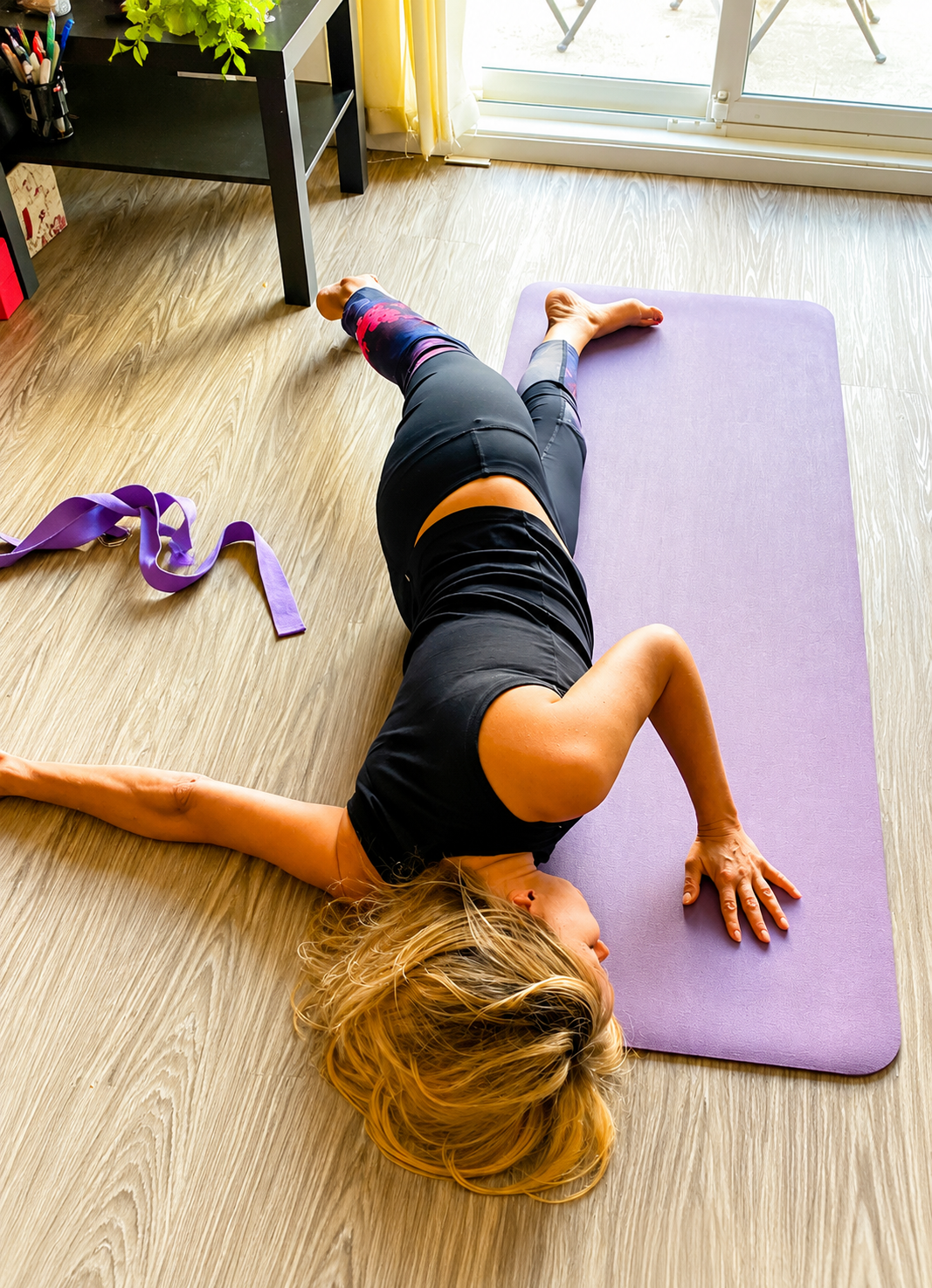
No two sports place the same demands on the body.
A soccer player changes direction hundreds of times during a match. A runner repeats the same movement thousands of times. Golf relies on rotation. Tennis combines speed, power, and repetitive overhead movement. Even yoga, although gentle in appearance, requires strength, balance, mobility, and body awareness.
That’s why I never treat the injury alone. I want to understand what you do, how you move, and what you’re hoping to get back to.
I commonly work with people who enjoy:
Whether you’re preparing for your next tournament, training for a race, trying to improve your performance, or simply looking forward to getting back on the field after an injury, your treatment plan will be tailored to your sport, your body, and your recovery goals.
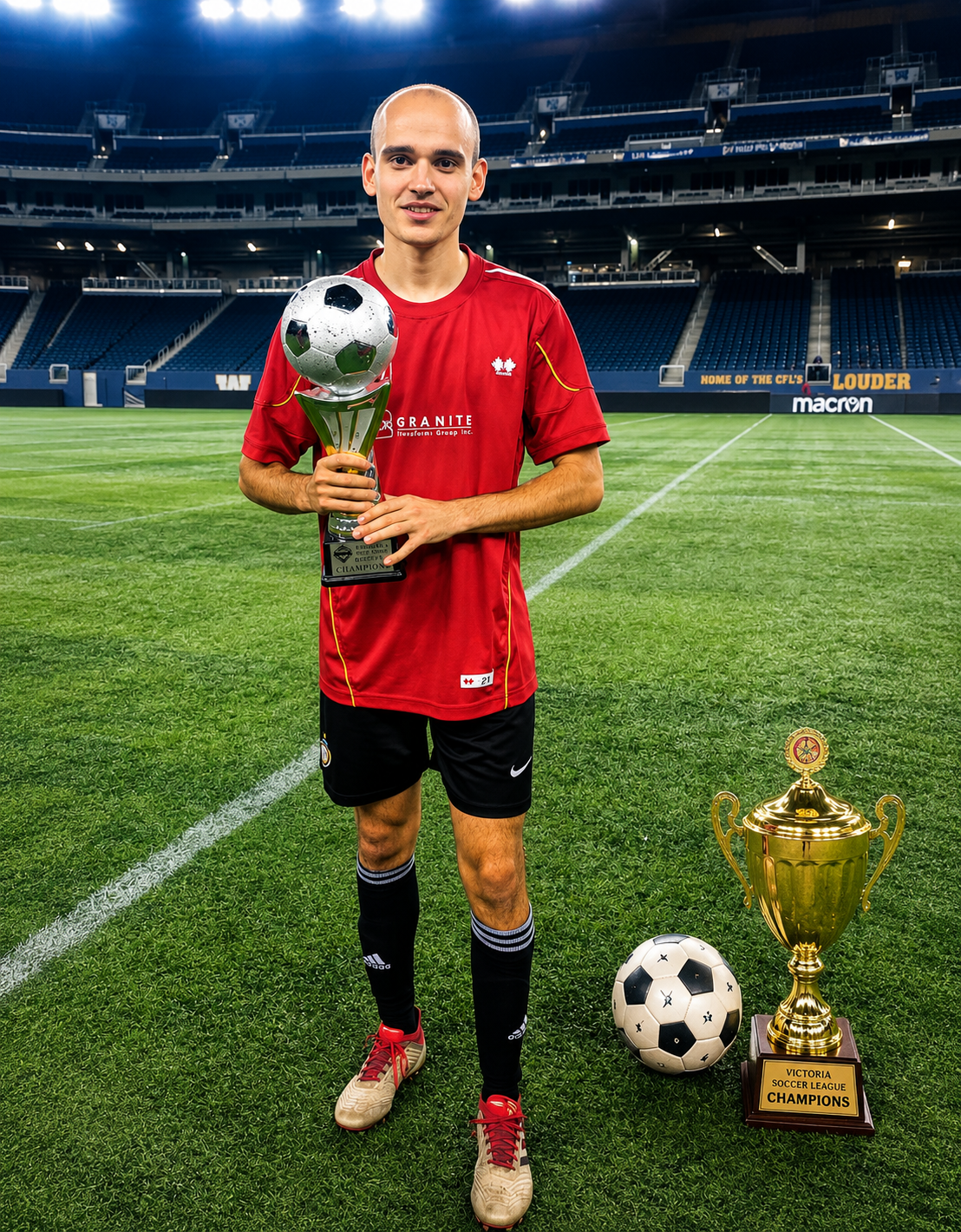
Sports injuries don’t always happen in a single dramatic moment. Many develop gradually through repetitive movement, increased training volume, muscle imbalances, poor biomechanics, or simply not having enough time to recover between practices, games, or workouts.
I commonly work with people experiencing muscle strains, ankle sprains, tendonitis and tendinopathy, runner’s knee, tennis elbow, golfer’s elbow, rotator cuff injuries, shoulder pain, shin splints, Achilles tendon pain, plantar fasciitis, neck pain related to sport, back pain affecting athletic performance, and nerve pain that develops following a sports injury.
I also see many people who are working toward returning to an active lifestyle after surgery, a fracture, or a prolonged period away from sport due to injury or illness.
Not every sports injury heals as expected. Sometimes the original injury has resolved, but the pain remains. In other cases, the body begins to compensate, creating discomfort in other areas. If your symptoms have become persistent or are no longer related only to sport, you may also find helpful information on my Acupuncture for Pain Relief page, where I discuss chronic pain conditions and a broader approach to recovery.
At Victoria Healing Space, sports acupuncture Victoria treatment plans may combine several approaches below, depending on your injury, your sport, and your stage of recovery.
| Treatment | What It Involves | May Help With |
|---|---|---|
| Acupuncture | An individualized approach based on your condition, not a fixed protocol — more about acupuncture | Pain, mobility, muscle tension, natural healing processes |
| Orthopaedic Acupuncture | Combines anatomy, movement patterns, and joint mechanics with TCM | Pain linked to how the body moves, not just where it’s felt |
| Fascial Acupuncture | Specialized uncoated needles that gently engage fascial tissue — compare to dry needling | Fascial restrictions affecting movement and comfort |
| Electroacupuncture | Gentle electrical stimulation between acupuncture needles | Select muscle, tendon, and nerve conditions |
| Chinese Herbal Medicine | A custom herbal formula taken between visits to support your recovery — learn more | Circulation, and nourishing muscles, tendons, and bones during healing |
| External Herbal Patches | Topical herbal applications, used in TCM for musculoskeletal injuries | Added support at certain stages of your recovery plan |
| Fire Cupping | Traditional cupping applied to the affected area | Muscle tension, local circulation, recovery after training |
| Gua Sha | A gentle scraping technique applied to soft tissue | Soft tissue restrictions and mobility, where appropriate |
Every sports injury acupuncture plan at Victoria Healing Space is tailored individually — no two athletes recover the same way.
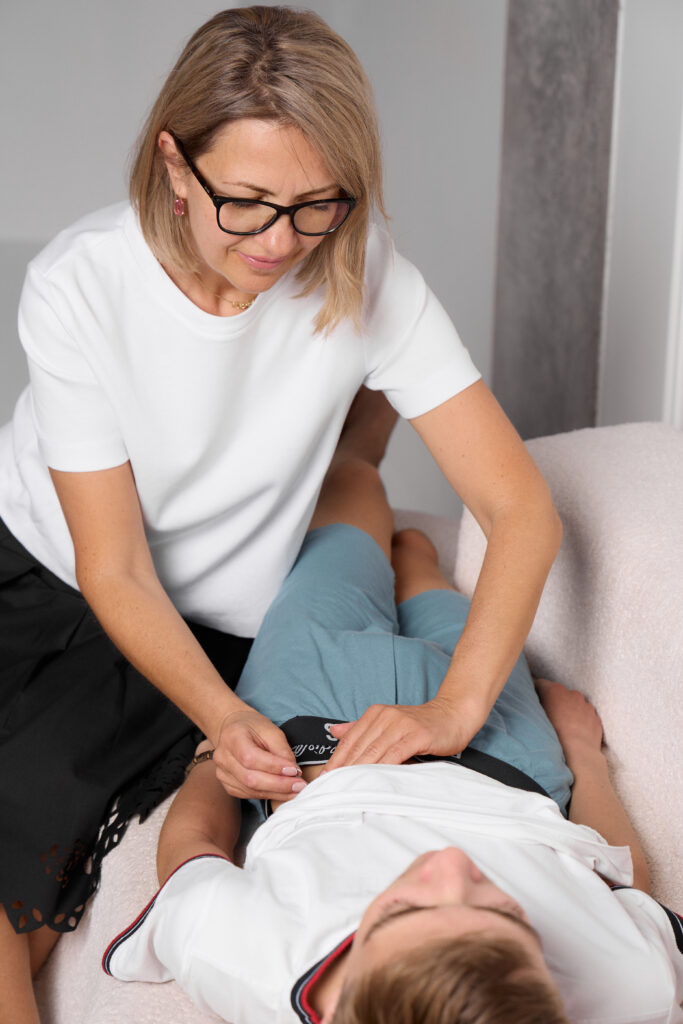
Recovery doesn’t always mean stopping everything.
One of my goals is to help you remain as active as safely possible while respecting the healing process.
For example, someone recovering from an upper back injury may still be able to continue lower-body strengthening.
Returning to sport is rarely an all-or-nothing process.
One thing that still surprises me in practice is how quickly the body sometimes responds. After a tennis match, significant tightness in the brachioradialis muscle can make even simple daily activities uncomfortable. While every injury is different and results vary from person to person, I’ve often seen meaningful improvements in pain and movement after just one or two acupuncture treatments.
My goal isn’t simply to help reduce symptoms. It’s to help you return to your sport feeling stronger, more confident, and better prepared for the demands ahead.
Women’s bodies change throughout life.
Pregnancy, childbirth, hormonal changes, and menopause all influence how we recover and how we return to training.
My own experience taught me that returning too quickly can sometimes delay recovery rather than support it.
Today, I encourage women to respect where their body is today—not where it was before pregnancy, surgery, or injury. Recovery is not about losing fitness; it’s about building a stronger foundation for the future. This is a part of my approach at sports acupuncture in Victoria.
Whether you’re preparing for your next season, recovering after an injury, or rebuilding strength before returning to the activities you love, I’d be honoured to be part of your recovery.
Book your Sports Acupuncture appointment at Victoria Healing Space today.
Know an athlete who could use some recovery support? Gift certificates are available too.
No. Sports acupuncture is appropriate for anyone whose goal is to return to sport or an active lifestyle safely.
Yes. Acupuncture is commonly used by people with tendonitis and other tendon injuries affecting the shoulder, elbow, knee, wrist, hip, or Achilles tendon. Because tendon injuries heal differently depending on their location and severity, every treatment plan is tailored to your condition, activity level, and recovery goals. Results and treatment times can wary.
It depends on the type and timing of the injury — in Traditional Chinese Medicine, icing isn’t always the right first step, and using heat or cold at the wrong stage can actually slow recovery. Read more about when to ice and when not to.
When appropriate, Chinese herbal medicine or external herbal applications may be recommended as part of your individualized treatment plan.
Visit our Your First Visit page to learn more about your first appointment.
In many cases, yes. If your extended health plan includes coverage for acupuncture provided by a Registered Acupuncturist or Registered Traditional Chinese Medicine Practitioner, your Sports Acupuncture treatment may be eligible for reimbursement. Coverage varies by insurance provider and individual plan. Victoria Healing Space offers direct billing to many major insurance companies whenever available. Learn about extended health benefits here.
If your sports injury or activity-related limitations are connected to a motor vehicle accident, you may be eligible for ICBC-funded acupuncture treatment. ICBC commonly covers acupuncture for approved claims, helping support recovery, reduce pain, and improve function after an accident. If you’re unsure about your eligibility, I’d be happy to discuss your situation during your appointment. Contact me here, please.